
Boxing Day in England: Meaning, Origins and Traditions
Boxing Day in England combines traditions, family time, major sporting events and popular shopping experiences in the days after Christmas.
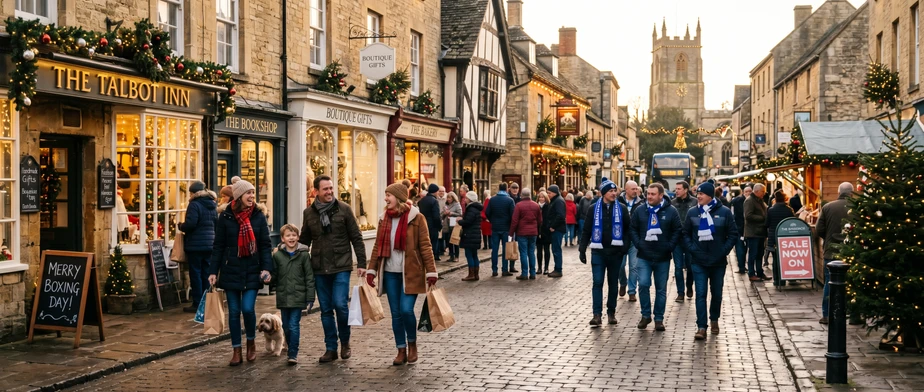
In many countries, everyday life slowly returns after Christmas. In England, however, 26 December has a special meaning. Boxing Day is an integral part of the festive season. The holiday links historical roots with modern habits and remains an important element of British Christmas culture.
Anyone who spends time in England around Christmas notices it quickly: Boxing Day is more than just an extra day off. It stands for time together, familiar rituals and the special atmosphere between Christmas and New Year.
Where the name Boxing Day comes from
The origins of Boxing Day lie in an older tradition of charity. Historically, the day is often associated with gift or donation boxes that were handed out on 26 December to people in need, employees or household staff. The holiday was therefore shaped from the start by social awareness and gratitude.
Even though its meaning has changed over time, this historical core is still present. Boxing Day is a reminder that Christmas in England is not only about festive meals and presents, but also about community and awareness of others.
How Boxing Day is celebrated today
Today, Boxing Day in England has several sides. For many families, it is above all a relaxed day. People get together, eat leftovers from the Christmas meal and enjoy time with one another. After the often intense preparations for Christmas Eve and Christmas Day, 26 December usually feels a little more easy-going, but by no means less important.
Entertainment is also firmly part of the day. Major sporting events play a key role for many people. Boxing Day is therefore often spent in front of the television, in the stadium or talking about matches and results. This mix of family day and public life is a big part of what makes the holiday so appealing.
Why shopping on 26 December is so prominent
Shopping is another defining feature of Boxing Day. Many shops advertise special offers, and for a great number of people a shopping trip is part of the day. It also marks the shift from Christmas itself to the lively period between the years.
This shopping culture has had a strong influence on Boxing Day over the past decades. Even so, the holiday is far more than a day of sales. In England in particular, it becomes clear how closely tradition, consumer culture and social life are connected on this date.
A holiday with a typically British character
Boxing Day captures what makes the Christmas season in England so distinctive. The day brings together old customs and modern habits, calm and activity, family time and public events. This combination makes it interesting for both locals and visitors.
Anyone interested in English culture will find in Boxing Day a holiday that goes beyond a date in the calendar. It reflects history, social change and rituals that remain alive today. And it shows that Christmas in England does not end on 25 December. On 26 December it takes on a different, very characteristic form of its own.
More articles

Discover England’s Vineyards and Cuisine at a Relaxed Pace
England delights with vineyards, wineries, regional specialties and leisurely holidays in idyllic countryside settings.
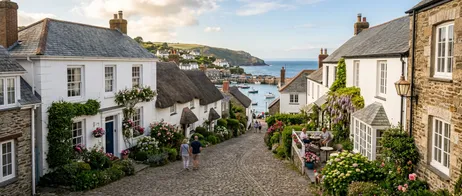
Discover England’s Typical Architecture in Style
England captivates with white cottages, thatched roofs and traditional architecture full of British charm and country house flair.
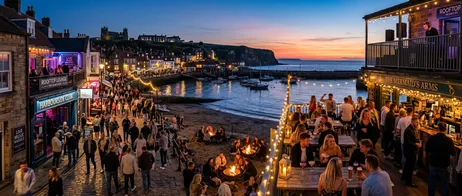
Nightlife & Beach Bars on England’s Coast
England’s coasts delight with beach bars, rooftop venues and varied nightlife full of seaside atmosphere.

Experience England’s Most Beautiful Beaches at a Relaxed Pace
England’s beaches delight with charming seaside towns, family-friendly shores and relaxed days by the sea filled with nature and time out.
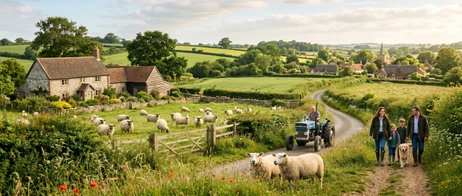
Discover Suffolk and Experience Rural England
Suffolk in England delights with rural charm, nature, picturesque villages and relaxed holiday days for families.

Discover England’s Regional Cuisine and Local Markets
England delights visitors with regional cuisine, farmers’ markets and traditional specialities full of flavour and rural charm.
